
Conditions We Support
PTSD Recovery Retreat in Thailand with EMDR and Intensive Therapeutic Support
For adults seeking focused PTSD support outside their usual environment. Grounded in trauma-informed practice and evidence-based therapy.
Understanding PTSD and Why Intensive Treatment Helps
Post-Traumatic Stress Disorder develops when the brain’s natural processing of a traumatic event gets stuck. Flashbacks, hypervigilance, avoidance, emotional numbness, and sleep disruption are not signs of weakness – they are signs that your nervous system is still trying to protect you from a threat that has already passed.
NICE guideline NG116 recommends trauma-focused therapies – specifically EMDR and trauma-focused CBT – as first-line treatments for PTSD. At our residential retreat in Thailand, these therapies can be delivered more frequently and with better clinical support than in typical outpatient care, where you might receive one session per week and then return to the environment that triggers your symptoms.
If your PTSD stems from prolonged or repeated experiences rather than a single event, our complex PTSD programme may be more appropriate. For a broader overview of how we support trauma recovery, see our full trauma recovery programme.
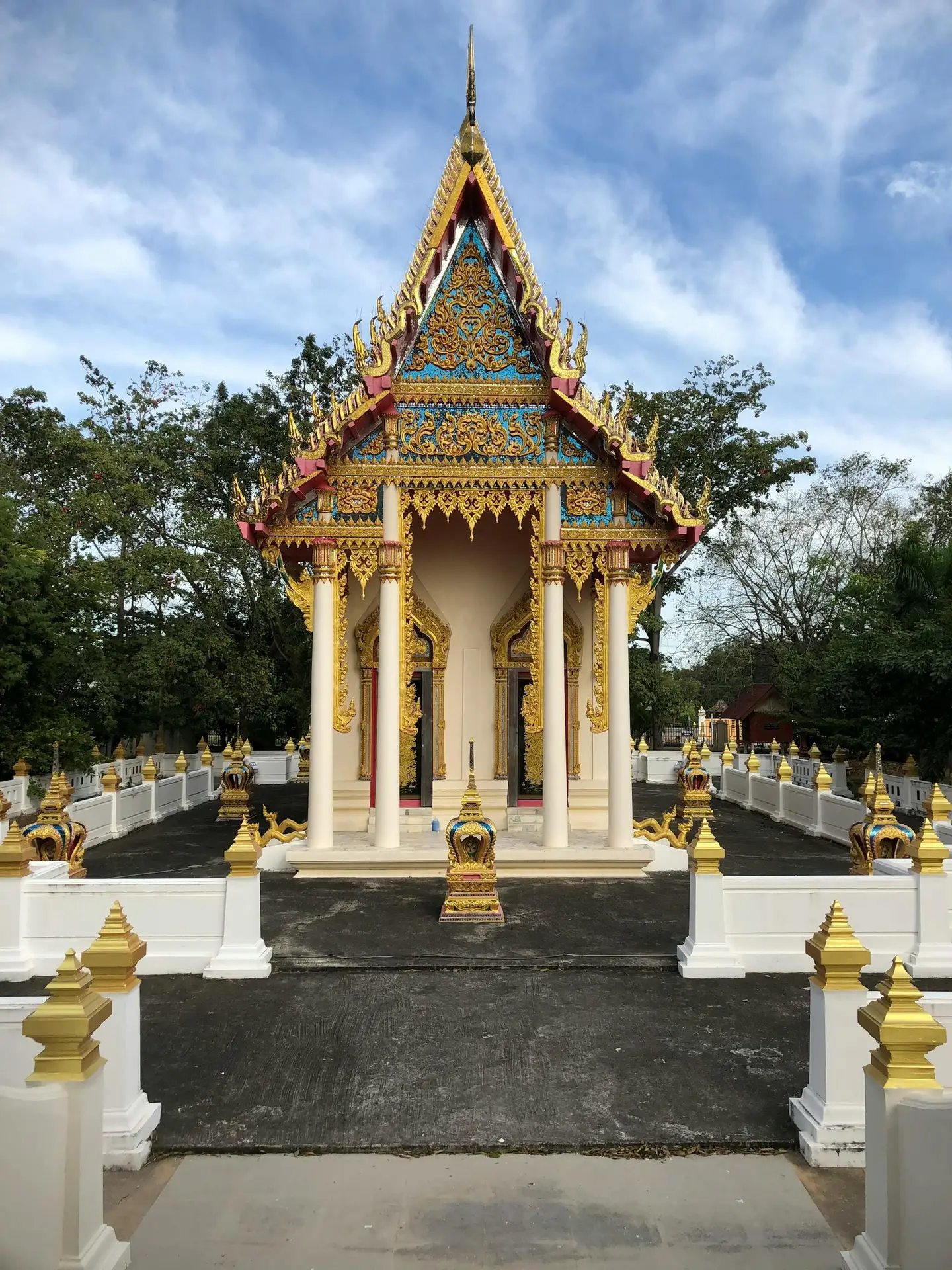
Our PTSD Programme Includes
Intensive EMDR
Multiple EMDR sessions per week, delivered with proper stabilisation and integration. The residential format means your therapist can monitor how you respond between sessions and adjust the pace accordingly – something not possible in weekly outpatient care.
Individual Counselling
Regular 1:1 sessions with your dedicated counsellor, integrating trauma-informed approaches alongside EMDR. These sessions provide space to process what emerges and build understanding of your trauma responses.
Nervous System Regulation
Daily practices designed to help you move from hyperarousal (fight/flight) or hypoarousal (freeze/shutdown) back into your window of tolerance. Breathwork, grounding exercises, and mindfulness – all trauma-informed.
Phased Approach
Following the internationally recognised three-phase model: stabilisation, trauma processing, and reintegration. We do not rush the processing phase – your nervous system sets the pace, not a treatment schedule.
Not sure if this is the right programme for you? Find out who our retreat is for, or talk to our team – no obligation, no pressure.
Types of PTSD We Support
PTSD can develop from many different experiences. Our programme in Thailand is designed to support adults recovering from:
- Single-incident trauma – road accidents, assaults, natural disasters, witnessing violence
- Service-related PTSD – military veterans, emergency services, healthcare workers, first responders
- Childhood trauma – abuse, neglect, or adverse childhood experiences that manifest as PTSD in adulthood
- Medical trauma – life-threatening diagnoses, ICU stays, invasive procedures
- Vicarious trauma – therapists, social workers, journalists, and others affected by repeated exposure to others’ trauma
If your experience involved prolonged or repeated trauma – particularly in childhood or within a relationship – you may benefit from our specialist complex PTSD programme instead.
Why Thailand for PTSD Recovery
Recovery from PTSD requires more than good therapy – it requires the right environment. Thailand offers something that is difficult to replicate in the UK, Australia, or the US:
Distance from triggers. PTSD symptoms are often maintained by proximity to the places, people, and routines associated with the trauma. Travelling to Thailand creates a clean break – a physical separation that gives your nervous system room to begin processing without constant re-activation.
A healing climate. Warm weather, natural light, and time spent outdoors are not luxuries – they are clinically relevant. Sunlight supports circadian rhythm regulation, which is frequently disrupted in PTSD. The tropical environment in Thailand naturally encourages the kind of gentle physical activity and time in nature that supports recovery.
Intensive therapeutic access. In the UK, NHS PTSD treatment typically means one session per week with long waiting lists. At our retreat in Thailand, you receive a minimum of three 1:1 counselling sessions per week plus intensive EMDR, group therapy, and daily mindfulness practice – all in one integrated programme.
Cost advantage. A month of residential therapeutic care in Thailand costs from £2,224 all-inclusive – less than many UK or US outpatient therapy programmes when you factor in session fees, travel, and lost working time. See our full pricing breakdown.
Choosing Your Stay Length
PTSD recovery is not linear, and the right length of stay depends on the severity and complexity of your symptoms. Here is what each timeframe typically allows:
4 Weeks: Stabilisation
Suitable for single-incident PTSD with clear symptoms. Focuses on nervous system stabilisation, initial EMDR processing, and building coping strategies. You will leave with tools to continue your recovery and a clearer understanding of your trauma responses.
8 Weeks: Deep Processing
Allows time for thorough trauma processing through EMDR and 1:1 counselling. The extended timeframe means your therapist can work at the pace your nervous system needs, with proper integration between sessions. Most clients with single-incident PTSD see significant symptom reduction within this period.
12 Weeks: Full Programme
Our recommended duration for complex or long-standing PTSD. Covers all three phases of trauma recovery: stabilisation, processing, and reintegration. Includes preparation for returning to daily life with a robust aftercare plan. See what a 12-week programme looks like in detail.
Not sure which is right for you? Start a conversation with our team – we will help you decide based on your specific situation.
What a Typical Week Looks Like
Most guests follow a rhythm that balances intensive therapy with enough space to integrate the work. A typical week includes at least three 1:1 counselling sessions, scheduled EMDR sessions where appropriate, group therapy, daily mindfulness and nervous-system regulation practices, and personal time for journalling, reflection, rest, and gentle movement.
What matters is not constant intensity. It is continuity. Instead of doing one difficult hour of therapy and then going straight back into the same stressors, you stay in a setting designed for trauma recovery, with clinical support and enough stability for the work to land.
If you want to see how that rhythm builds across a longer stay, read what a 12-week programme looks like.
Ready to take the next step? Begin your enquiry or read what to expect from your stay.
Evidence Base & Clinical Integrity
We reference established clinical guidelines because your wellbeing depends on evidence, not marketing claims.
- NICE NG116 recommends EMDR as a first-line treatment for PTSD in adults
- The WHO recommends EMDR and trauma-focused CBT for PTSD across all age groups
- We use the term “evidence-based modalities” – not “medical treatment” – because we are a therapeutic retreat, not a medical facility
- We do not claim to cure PTSD. We aim to reduce the intensity of symptoms and equip you with tools for ongoing recovery
The Silkworth Project Thailand is a therapeutic retreat, not a psychiatric hospital or medical facility. If you are in immediate crisis, please contact your local emergency services or a crisis helpline.
Ready to begin your journey?
Get in touch to discuss your needs and learn more about how we can support you.